PMOS: The New Name for PCOS and What It Means for Your Hormones
For years, many women diagnosed with PCOS were told the condition was mainly about ovarian cysts.
But that explanation has always been incomplete.
In 2026, global experts announced a new name for PCOS: PMOS, or Polyendocrine Metabolic Ovarian Syndrome. The name change was made to better reflect what clinicians and patients have known for years: this condition is not only about the ovaries. It is a complex endocrine and metabolic condition that can affect hormones, insulin, skin, cycles, fertility, weight, and long-term health.
Why Was PCOS Renamed PMOS?
The term Polycystic Ovary Syndrome created confusion for many patients because it made the condition sound like it was defined by ovarian cysts.
But not every patient has cysts. And in many cases, the “cysts” seen on ultrasound are actually small follicles, not true cysts.
The new name, Polyendocrine Metabolic Ovarian Syndrome, highlights three important realities:
- It involves more than one hormone system
- It is strongly connected to metabolic health
- It can affect the ovaries, but it is not limited to the ovaries
The goal of the name change is to improve understanding, reduce stigma, support earlier diagnosis, and encourage more complete care.
What Does PMOS Mean?
PMOS describes a condition where hormonal and metabolic signals become disrupted.
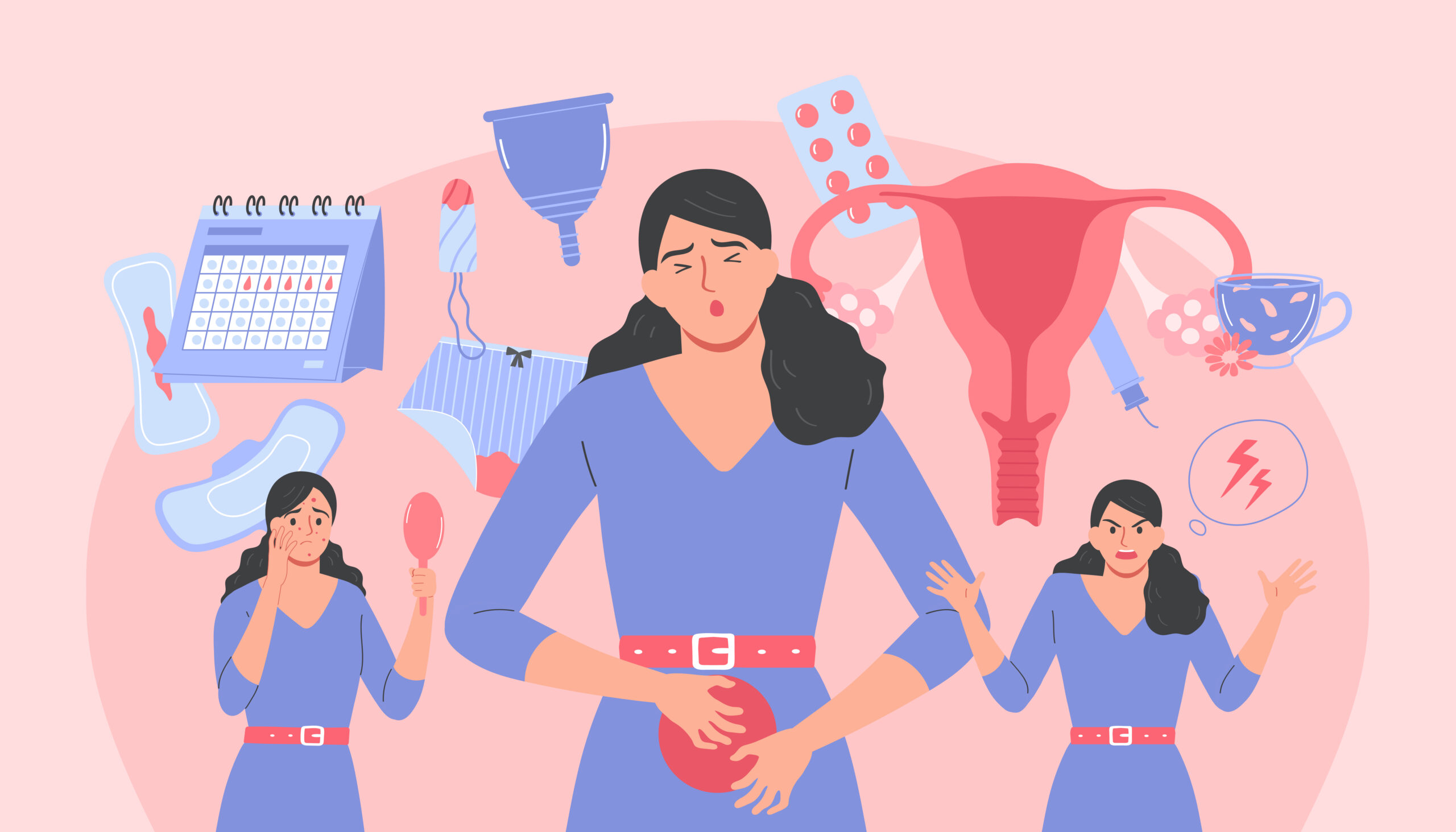
This can involve:
- Irregular or absent ovulation
- Irregular menstrual cycles
- Elevated androgens, such as testosterone
- Acne
- Facial or body hair growth
- Hair thinning on the scalp
- Weight changes
- Insulin resistance
- Increased cardiometabolic risk
- Fertility challenges
- Mood changes or anxiety
PMOS can look very different from one woman to another. Some patients have irregular periods and acne. Others struggle more with weight, cravings, fatigue, or fertility. Some have normal weight but still experience significant hormonal and metabolic symptoms.
PMOS Is Not Just a Reproductive Condition
One of the most important parts of the PMOS name change is that it moves the conversation beyond fertility.
PMOS can affect reproductive health, but it is also linked to broader metabolic risks. Insulin resistance is commonly associated with PCOS/PMOS and may increase the risk of type 2 diabetes and other metabolic complications over time.
This is why PMOS care should not focus only on cycles or ovaries. It should also consider:
- Blood sugar regulation
- Insulin levels
- Weight and body composition
- Cholesterol
- Blood pressure
- Sleep
- Stress
- Inflammation
- Family history
- Long-term cardiovascular risk
A comprehensive approach matters because PMOS affects the whole body.
Why Insulin Resistance Matters
Insulin is the hormone that helps move glucose from the bloodstream into cells for energy.
When the body becomes resistant to insulin, the pancreas has to produce more of it to keep blood sugar stable. Higher insulin levels can then worsen androgen excess, which may contribute to acne, hair growth, irregular cycles, and ovulation problems.
Signs that insulin resistance may be present include:
- Increased cravings
- Energy crashes
- Weight gain around the abdomen
- Difficulty losing weight
- Feeling hungry soon after eating
- Skin darkening around the neck or underarms
- Irregular cycles
- Family history of type 2 diabetes
Insulin resistance can be present even when routine blood sugar labs still look normal. This is why symptoms, history, and metabolic context matter.
PMOS and “Normal Labs”
Many patients with PMOS are told their labs are normal, especially if only basic testing was done.
But PMOS is not always obvious from one blood test. Hormones fluctuate. Androgens may vary. Insulin resistance may be missed if only fasting glucose is checked. Ultrasound findings may not tell the full story.
A more complete evaluation may include:
- Menstrual history
- Symptoms of androgen excess
- Total and free testosterone
- DHEA-S
- Fasting glucose and insulin, when clinically appropriate
- Hemoglobin A1C
- Lipid profile
- Thyroid evaluation
- Prolactin, when indicated
- Evaluation for other conditions that can mimic PMOS
The goal is not simply to label the condition. The goal is to understand what is happening metabolically and hormonally so care can be personalized.
How PMOS Is Managed
There is no one-size-fits-all plan for PMOS.
Treatment depends on the patient’s symptoms, goals, age, metabolic health, cycle pattern, fertility plans, and medical history.
Management may include:
- Nutrition strategies to support insulin sensitivity
- Strength training and movement
- Sleep optimization
- Stress regulation
- Weight management support when appropriate
- Hormonal therapy for cycle regulation
- Anti-androgen treatment when appropriate
- Metformin or other insulin-sensitizing approaches when clinically indicated
- Fertility support when pregnancy is desired
- Monitoring for long-term metabolic risks
For some patients, the priority is cycle regulation. For others, it is acne, weight, fertility, cravings, hair growth, or metabolic health. A good treatment plan should be built around the individual.
Why Seeing an Endocrinologist Can Help
PMOS sits at the intersection of reproductive hormones, metabolism, insulin, weight, and long-term health. That is why endocrine care can be especially valuable.
An endocrinologist can help evaluate whether symptoms are related to PMOS, thyroid disease, perimenopause, insulin resistance, adrenal conditions, or another hormonal pattern.
This is especially important when symptoms overlap, such as:
- Irregular periods
- Weight changes
- Acne
- Hair thinning
- Fatigue
- Brain fog
- Mood changes
- Sugar cravings
- Difficulty losing weight
- Fertility concerns
PMOS is not just about treating symptoms. It is about understanding the hormonal and metabolic pattern behind them.
The Takeaway
The shift from PCOS to PMOS is more than a name change. It reflects a broader, more accurate understanding of the condition.
PMOS is not simply about ovarian cysts. It is a hormone and metabolism condition that deserves thoughtful, individualized care.
If you have irregular periods, acne, hair growth, weight changes, cravings, or have been told you may have PCOS, this may be the right time to revisit the conversation through a more complete endocrine lens.
At My Endo Balance, Dr. Evana Valenzuela provides personalized endocrine care focused on women’s hormonal health, metabolism, insulin resistance, thyroid health, and complex hormone patterns.
Your symptoms are not random. They may be part of a larger hormonal and metabolic story — and that story deserves to be understood.