Understanding Hormones: The Body’s Messengers of Health and Balance
Hormones play a role in nearly every function of the human body—from how you sleep to how you manage stress, maintain weight, and even how you feel emotionally. Yet many people don’t fully understand what hormones do until something goes out of balance.
At MyEndoBalance, we believe that learning about your hormones is the first step to taking control of your health. Here’s what you need to know about these powerful chemical messengers and how they affect your everyday life.
What Are Hormones?
Hormones are chemicals produced by glands in your endocrine system. They travel through your bloodstream to tissues and organs, delivering “messages” that regulate key processes such as:
Metabolism (how your body converts food into energy)
Growth and development
Reproductive health and fertility
Mood and emotional well-being
Sleep cycles
Stress response
Bone and muscle health
Think of hormones as the body’s communication system—keeping everything in sync and functioning smoothly.
Major Hormones and Their Functions
Here are a few of the most important hormones and what they do:
Thyroid Hormones (T3 and T4): Regulate metabolism, energy, and body temperature.
Insulin: Helps control blood sugar levels and energy use.
Cortisol: Known as the stress hormone, it affects energy, sleep, and immune response.
Estrogen & Progesterone: Key for reproductive health, menstrual cycles, and bone health.
Testosterone: Important for muscle strength, mood, and reproductive function in both men and women.
Melatonin: Regulates sleep and circadian rhythm.
When these hormones are balanced, your body feels and functions at its best.
Signs of Hormonal Imbalance
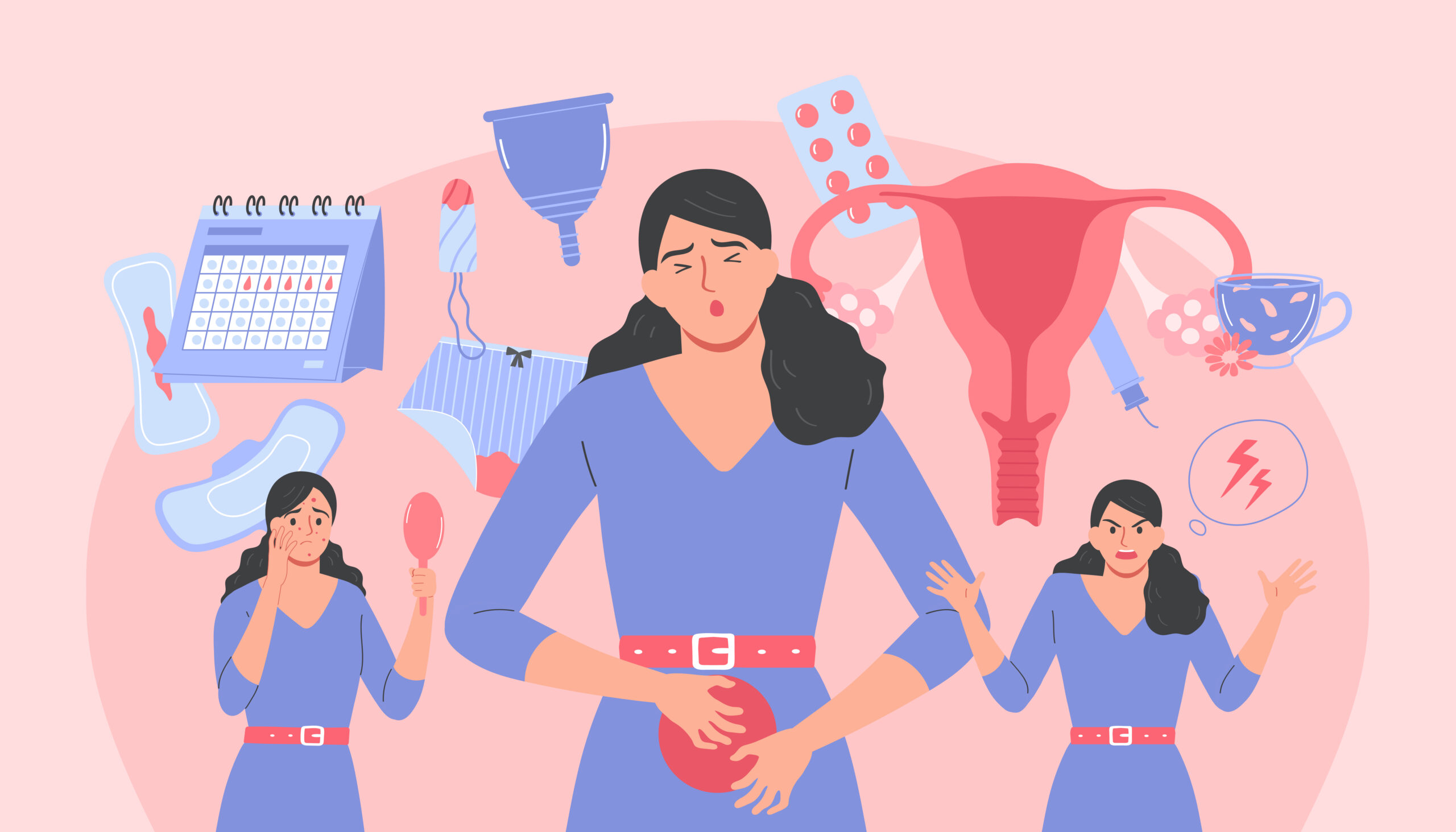
Because hormones affect so many systems, imbalances can show up in a variety of ways. Common symptoms include:
Fatigue or low energy
Unexplained weight gain or loss
Sleep difficulties
Mood swings, anxiety, or depression
Irregular menstrual cycles or fertility issues
Hair loss or skin changes
Brain fog or difficulty concentrating
If you notice persistent symptoms like these, it may be worth consulting an endocrinologist.
How to Support Healthy Hormones
While some imbalances require medical treatment, there are everyday steps you can take to support hormone health:
Eat a balanced diet with whole foods, healthy fats, and lean proteins.
Manage stress through mindfulness, breathing exercises, or gentle movement.
Prioritize sleep by creating a consistent bedtime routine.
Exercise regularly to support metabolism and mood.
Get routine check-ups and bloodwork when needed to monitor hormone levels.
Why See an Endocrinologist?
Endocrinologists, like Evana Valenzuele-Shecker, MD, specialize in diagnosing and treating hormonal disorders. Whether it’s thyroid disease, adrenal fatigue, diabetes, or reproductive concerns, having a hormone expert by your side can make all the difference.
At MyEndoBalance, we take an integrative approach—looking at the whole person, not just the symptoms—to restore balance and long-term wellness.
Final Thoughts
Hormones may be invisible, but their effects on your health are undeniable. By understanding how they work and paying attention to signs of imbalance, you can take proactive steps toward better energy, mood, and vitality.
✨ Ready to learn more about your hormone health? Schedule a consultation with Dr. Valenzuele-Shecker at MyEndoBalance today.