Hashimoto’s Thyroiditis: Why Your Thyroid Symptoms May Be More Than “Normal Labs”
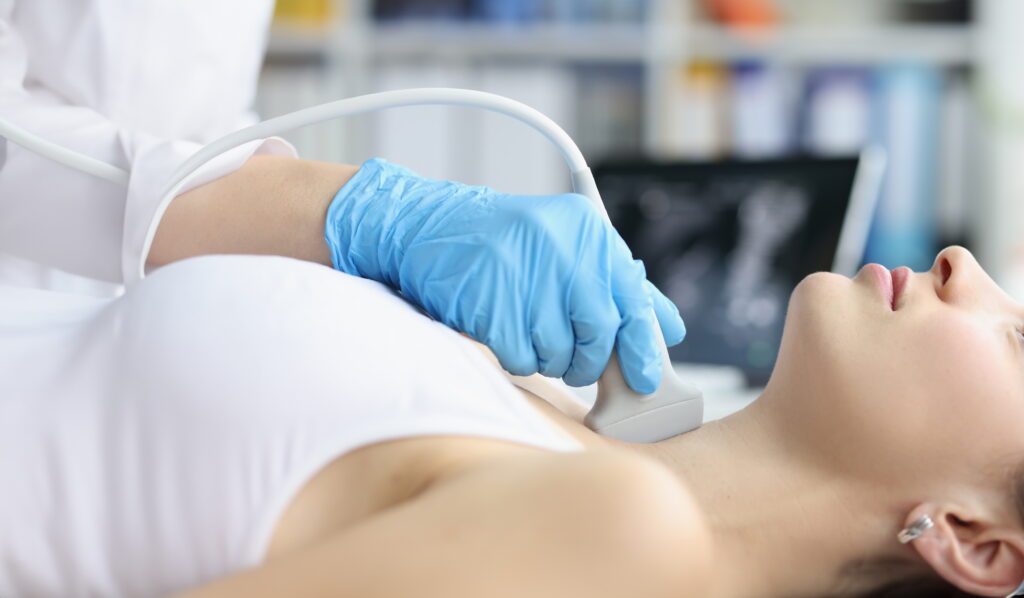
Hashimoto’s Thyroiditis: Why Your Thyroid Symptoms May Be More Than “Normal Labs” If you feel exhausted, foggy, cold, puffy, or frustrated by unexplained weight changes, you may have been told that your thyroid labs are “normal.” But feeling unwell while being told everything looks fine can be confusing — especially when your symptoms continue to affect your energy, mood, metabolism, hair, skin, and daily function. One condition that deserves a closer look is Hashimoto’s thyroiditis, an autoimmune thyroid disorder and one of the most common causes of hypothyroidism. Hashimoto’s occurs when the immune system mistakenly attacks the thyroid gland, which can gradually affect thyroid hormone production over time. What Is Hashimoto’s Thyroiditis? Hashimoto’s thyroiditis is an autoimmune condition that affects the thyroid gland, a small butterfly-shaped gland located in the front of the neck. The thyroid helps regulate important functions such as: In Hashimoto’s, the immune system produces antibodies that target the thyroid. Over time, this can lead to inflammation and reduced thyroid function. However, symptoms can begin before thyroid hormone levels become clearly abnormal on routine blood work. Common Symptoms of Hashimoto’s Hashimoto’s can look different from person to person. Some patients have mild symptoms, while others experience significant changes in how they feel. Common symptoms may include: Because many of these symptoms overlap with stress, aging, perimenopause, depression, anemia, insulin resistance, or other hormonal conditions, Hashimoto’s can be missed or dismissed. Why Thyroid Labs Can Look “Normal” One of the most frustrating parts of thyroid disease is that symptoms do not always match a simple lab interpretation. A standard thyroid screening often includes TSH, and sometimes free T4. These labs are important, but they may not tell the full story for every patient. In some cases, thyroid hormones may still fall within the reference range while the immune process is already active. This is why thyroid antibody testing, such as TPO antibodies and thyroglobulin antibodies, may be considered when symptoms and history suggest autoimmune thyroid disease. A more complete thyroid evaluation may include: The goal is not to over-test. The goal is to understand the full clinical picture. Hashimoto’s and Metabolism Many patients with Hashimoto’s report weight changes, low energy, and difficulty losing weight even when they are eating well and exercising. This can happen because thyroid hormones play a major role in metabolism, energy use, digestion, fluid balance, and how the body responds to physical stress. However, weight changes are not always caused by thyroid function alone. Insulin resistance, cortisol patterns, sleep disruption, perimenopause, and nutritional deficiencies may also contribute. That is why a thoughtful endocrine evaluation looks beyond one lab value. Hashimoto’s and Women’s Hormonal Health Hashimoto’s is especially important in women’s health because thyroid function can influence menstrual cycles, fertility, pregnancy, postpartum health, mood, metabolism, and the perimenopause transition. Some women begin noticing symptoms during periods of hormonal change, such as: When thyroid symptoms overlap with reproductive hormone changes, it can be hard to know what is driving what. This is where endocrinology can help connect the dots. When Should You See an Endocrinologist? You may benefit from an endocrine evaluation if you have: An endocrinologist can help determine whether your symptoms are related to thyroid disease, another hormonal condition, or several factors happening at the same time. The Takeaway Hashimoto’s thyroiditis is not simply a lab diagnosis. It is a clinical condition that requires attention to symptoms, history, antibodies, hormone patterns, and the patient’s lived experience. If you have been told your labs are normal but you still do not feel like yourself, your symptoms deserve a closer look. At My Endo Balance, Dr. Evana Valenzuela provides individualized endocrine care focused on thyroid health, metabolism, women’s hormonal health, and the connections between symptoms and underlying hormonal patterns. If your body is telling you something is off, it may be time to listen more closely.