Uncategorized

Uncategorized

PMOS: The New Name for PCOS and What It Means for Your Hormones

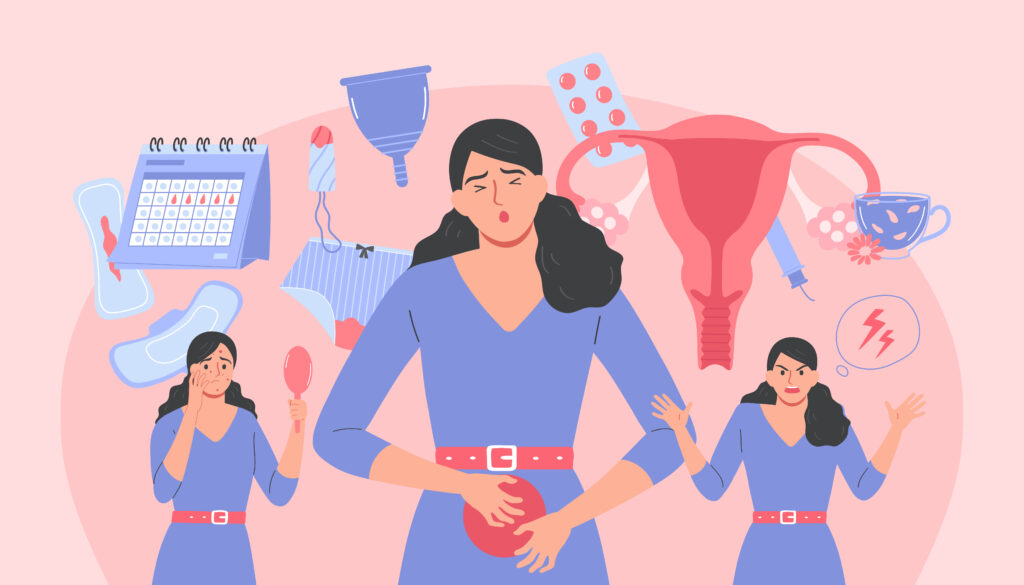
PMOS: The New Name for PCOS and What It Means for Your Hormones For years, many women diagnosed with PCOS were told the condition was mainly about ovarian cysts. But that explanation has always been incomplete. In 2026, global experts announced a new name for PCOS: PMOS, or Polyendocrine Metabolic Ovarian Syndrome. The name change was made to better reflect what clinicians and patients have known for years: this condition is not only about the ovaries. It is a complex endocrine and metabolic condition that can affect hormones, insulin, skin, cycles, fertility, weight, and long-term health. Why Was PCOS Renamed PMOS? The term Polycystic Ovary Syndrome created confusion for many patients because it made the condition sound like it was defined by ovarian cysts. But not every patient has cysts. And in many cases, the “cysts” seen on ultrasound are actually small follicles, not true cysts. The new name, Polyendocrine Metabolic Ovarian Syndrome, highlights three important realities: The goal of the name change is to improve understanding, reduce stigma, support earlier diagnosis, and encourage more complete care. What Does PMOS Mean? PMOS describes a condition where hormonal and metabolic signals become disrupted. This can involve: PMOS can look very different from one woman to another. Some patients have irregular periods and acne. Others struggle more with weight, cravings, fatigue, or fertility. Some have normal weight but still experience significant hormonal and metabolic symptoms. PMOS Is Not Just a Reproductive Condition One of the most important parts of the PMOS name change is that it moves the conversation beyond fertility. PMOS can affect reproductive health, but it is also linked to broader metabolic risks. Insulin resistance is commonly associated with PCOS/PMOS and may increase the risk of type 2 diabetes and other metabolic complications over time. This is why PMOS care should not focus only on cycles or ovaries. It should also consider: A comprehensive approach matters because PMOS affects the whole body. Why Insulin Resistance Matters Insulin is the hormone that helps move glucose from the bloodstream into cells for energy. When the body becomes resistant to insulin, the pancreas has to produce more of it to keep blood sugar stable. Higher insulin levels can then worsen androgen excess, which may contribute to acne, hair growth, irregular cycles, and ovulation problems. Signs that insulin resistance may be present include: Insulin resistance can be present even when routine blood sugar labs still look normal. This is why symptoms, history, and metabolic context matter. PMOS and “Normal Labs” Many patients with PMOS are told their labs are normal, especially if only basic testing was done. But PMOS is not always obvious from one blood test. Hormones fluctuate. Androgens may vary. Insulin resistance may be missed if only fasting glucose is checked. Ultrasound findings may not tell the full story. A more complete evaluation may include: The goal is not simply to label the condition. The goal is to understand what is happening metabolically and hormonally so care can be personalized. How PMOS Is Managed There is no one-size-fits-all plan for PMOS. Treatment depends on the patient’s symptoms, goals, age, metabolic health, cycle pattern, fertility plans, and medical history. Management may include: For some patients, the priority is cycle regulation. For others, it is acne, weight, fertility, cravings, hair growth, or metabolic health. A good treatment plan should be built around the individual. Why Seeing an Endocrinologist Can Help PMOS sits at the intersection of reproductive hormones, metabolism, insulin, weight, and long-term health. That is why endocrine care can be especially valuable. An endocrinologist can help evaluate whether symptoms are related to PMOS, thyroid disease, perimenopause, insulin resistance, adrenal conditions, or another hormonal pattern. This is especially important when symptoms overlap, such as: PMOS is not just about treating symptoms. It is about understanding the hormonal and metabolic pattern behind them. The Takeaway The shift from PCOS to PMOS is more than a name change. It reflects a broader, more accurate understanding of the condition. PMOS is not simply about ovarian cysts. It is a hormone and metabolism condition that deserves thoughtful, individualized care. If you have irregular periods, acne, hair growth, weight changes, cravings, or have been told you may have PCOS, this may be the right time to revisit the conversation through a more complete endocrine lens. At My Endo Balance, Dr. Evana Valenzuela provides personalized endocrine care focused on women’s hormonal health, metabolism, insulin resistance, thyroid health, and complex hormone patterns. Your symptoms are not random. They may be part of a larger hormonal and metabolic story — and that story deserves to be understood.

Uncategorized

Hashimoto’s Thyroiditis: Why Your Thyroid Symptoms May Be More Than “Normal Labs”

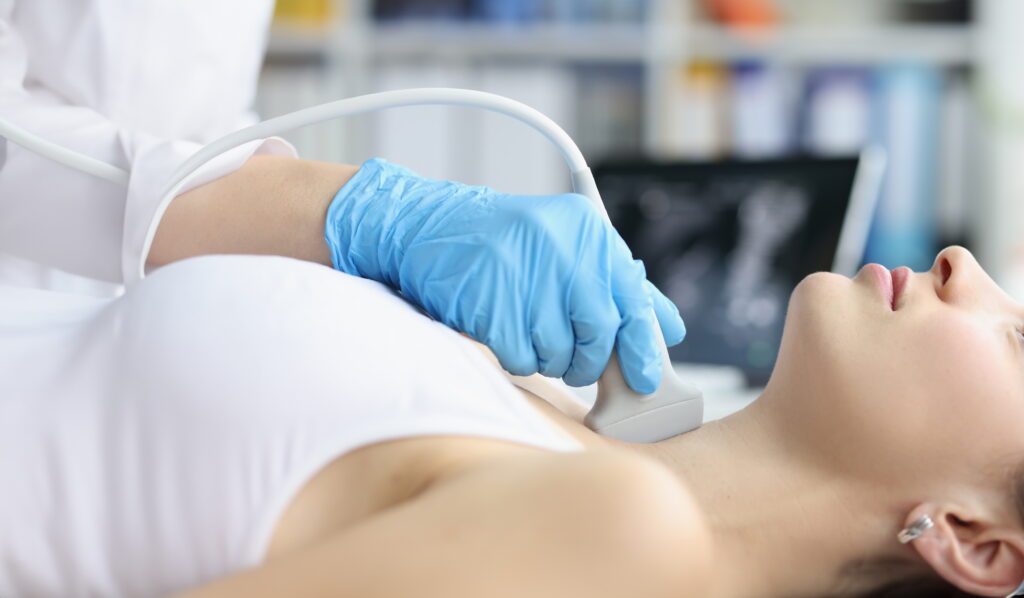
Hashimoto’s Thyroiditis: Why Your Thyroid Symptoms May Be More Than “Normal Labs” If you feel exhausted, foggy, cold, puffy, or frustrated by unexplained weight changes, you may have been told that your thyroid labs are “normal.” But feeling unwell while being told everything looks fine can be confusing — especially when your symptoms continue to affect your energy, mood, metabolism, hair, skin, and daily function. One condition that deserves a closer look is Hashimoto’s thyroiditis, an autoimmune thyroid disorder and one of the most common causes of hypothyroidism. Hashimoto’s occurs when the immune system mistakenly attacks the thyroid gland, which can gradually affect thyroid hormone production over time. What Is Hashimoto’s Thyroiditis? Hashimoto’s thyroiditis is an autoimmune condition that affects the thyroid gland, a small butterfly-shaped gland located in the front of the neck. The thyroid helps regulate important functions such as: In Hashimoto’s, the immune system produces antibodies that target the thyroid. Over time, this can lead to inflammation and reduced thyroid function. However, symptoms can begin before thyroid hormone levels become clearly abnormal on routine blood work. Common Symptoms of Hashimoto’s Hashimoto’s can look different from person to person. Some patients have mild symptoms, while others experience significant changes in how they feel. Common symptoms may include: Because many of these symptoms overlap with stress, aging, perimenopause, depression, anemia, insulin resistance, or other hormonal conditions, Hashimoto’s can be missed or dismissed. Why Thyroid Labs Can Look “Normal” One of the most frustrating parts of thyroid disease is that symptoms do not always match a simple lab interpretation. A standard thyroid screening often includes TSH, and sometimes free T4. These labs are important, but they may not tell the full story for every patient. In some cases, thyroid hormones may still fall within the reference range while the immune process is already active. This is why thyroid antibody testing, such as TPO antibodies and thyroglobulin antibodies, may be considered when symptoms and history suggest autoimmune thyroid disease. A more complete thyroid evaluation may include: The goal is not to over-test. The goal is to understand the full clinical picture. Hashimoto’s and Metabolism Many patients with Hashimoto’s report weight changes, low energy, and difficulty losing weight even when they are eating well and exercising. This can happen because thyroid hormones play a major role in metabolism, energy use, digestion, fluid balance, and how the body responds to physical stress. However, weight changes are not always caused by thyroid function alone. Insulin resistance, cortisol patterns, sleep disruption, perimenopause, and nutritional deficiencies may also contribute. That is why a thoughtful endocrine evaluation looks beyond one lab value. Hashimoto’s and Women’s Hormonal Health Hashimoto’s is especially important in women’s health because thyroid function can influence menstrual cycles, fertility, pregnancy, postpartum health, mood, metabolism, and the perimenopause transition. Some women begin noticing symptoms during periods of hormonal change, such as: When thyroid symptoms overlap with reproductive hormone changes, it can be hard to know what is driving what. This is where endocrinology can help connect the dots. When Should You See an Endocrinologist? You may benefit from an endocrine evaluation if you have: An endocrinologist can help determine whether your symptoms are related to thyroid disease, another hormonal condition, or several factors happening at the same time. The Takeaway Hashimoto’s thyroiditis is not simply a lab diagnosis. It is a clinical condition that requires attention to symptoms, history, antibodies, hormone patterns, and the patient’s lived experience. If you have been told your labs are normal but you still do not feel like yourself, your symptoms deserve a closer look. At My Endo Balance, Dr. Evana Valenzuela provides individualized endocrine care focused on thyroid health, metabolism, women’s hormonal health, and the connections between symptoms and underlying hormonal patterns. If your body is telling you something is off, it may be time to listen more closely.

Uncategorized

AI Chatbots Fail Nearly Half of Health Tests: What Patients Should Know Before Trusting Online Medical Advice

AI Chatbots Fail Nearly Half of Health Tests: What Patients Should Know Before Trusting Online Medical Advice Artificial intelligence is becoming increasingly common in healthcare conversations. Millions of people now turn to AI chatbots to ask questions about symptoms, medications, nutrition, hormones, and chronic health conditions. But recent research is raising concerns about how reliable these tools actually are when it comes to medical advice. A new study published in BMJ Open found that nearly half of AI-generated responses to medical questions were considered problematic, incomplete, or potentially misleading. At My Endo Balance, we believe technology can support education and awareness — but it should never replace individualized medical care from qualified healthcare professionals. What Did the Research Find? Researchers evaluated several widely used AI chatbots using health-related prompts involving topics such as: Cancer Vaccines Nutrition Athletic performance Stem cell therapies The results were concerning: Nearly 50% of responses were rated problematic Some answers contained misleading information Citation quality was often poor or incomplete Open-ended questions produced more inaccurate responses Other recent studies have also found that AI systems may struggle with: Clinical reasoning Detecting nuanced symptoms Mental health crises Accurate diagnosis recommendations Why Are So Many People Using AI for Health Questions? The appeal is understandable. AI chatbots are: Fast Convenient Available 24/7 Free or low-cost Easy to access privately Many people use them for general wellness questions, hormone concerns, weight management guidance, or symptom research before seeing a provider. However, healthcare experts caution that convenience does not always equal accuracy. The Problem With AI Medical Advice AI systems generate responses based on patterns in data — not true medical understanding or clinical judgment. That means chatbots can sometimes: Present incorrect information confidently Oversimplify complex conditions Miss important medical context Generate inaccurate citations Provide generalized advice not appropriate for individual patients Some studies found AI responses became even less reliable when prompts contained medical jargon or misleading framing. Hormone Health Requires Personalized Care Hormonal health is highly individualized. Symptoms such as: Fatigue Weight gain Low libido Mood changes Sleep disturbances Brain fog may have multiple underlying causes that require proper medical evaluation and laboratory testing. Relying solely on AI-generated advice may delay diagnosis or appropriate treatment. At My Endo Balance, we emphasize evidence-based hormone optimization tailored to each patient’s medical history, symptoms, and goals. Can AI Still Be Helpful? AI tools can still provide value when used responsibly. For example, they may help patients: Learn basic health concepts Organize questions before appointments Understand medical terminology Access general educational information But experts agree they should function as supportive educational tools — not replacements for medical professionals. Red Flags Patients Should Watch For Be cautious if an AI chatbot: Promises guaranteed results Recommends treatments without medical evaluation Provides extreme or unconventional advice Discourages professional medical care Sounds overly certain about complex conditions Healthcare decisions should always involve qualified medical guidance. The Bottom Line Artificial intelligence is rapidly changing healthcare conversations, but current research shows AI chatbots still have major limitations when it comes to safe and accurate medical advice. While these tools may help with general education, they are not substitutes for individualized medical evaluation, laboratory testing, or professional healthcare oversight. At My Endo Balance, we believe informed patients make better health decisions — and that evidence-based care, personalized treatment, and real medical expertise remain essential in hormone and wellness medicine. Sources BMJ Open Study Summary – AI Chatbots and Health Advice CIDRAP – AI Chatbots Provide Poor Medical Answers Half the Time Euronews – AI Fails at Primary Diagnosis Study Harvard T.H. Chan School of Public Health – AI Chatbots and Stroke Information

Uncategorized

¿Qué Son los Péptidos para Hormona de Crecimiento y Por Qué Cada Vez Más Hombres Hablan de Ellos?

¿Qué Son los Péptidos para Hormona de Crecimiento y Por Qué Cada Vez Más Hombres Hablan de Ellos? En los últimos meses, cada vez más hombres han comenzado a preguntar sobre los llamados “péptidos” utilizados para estimular la producción natural de ciertas hormonas, especialmente la hormona de crecimiento (HGH). En ciudades como Miami, donde existe un creciente interés en optimización hormonal, composición corporal, rendimiento físico y longevidad, este tema ha ganado mucha atención tanto en clínicas de bienestar como en redes sociales. En My Endo Balance, creemos en educar a nuestros pacientes con información clara, responsable y basada en evidencia médica. ¿Qué Son los Péptidos? Los péptidos son cadenas cortas de aminoácidos que actúan como señales biológicas dentro del cuerpo. Algunos péptidos han sido estudiados por su capacidad de estimular la liberación natural de hormona de crecimiento a través de mecanismos relacionados con la glándula pituitaria. Entre los más conocidos se encuentran compuestos utilizados dentro de protocolos de medicina funcional, longevidad y optimización hormonal. ¿Por Qué Algunos Hombres Están Interesados en Ellos? Muchos hombres buscan información sobre péptidos debido a posibles beneficios relacionados con: Energía Recuperación muscular Composición corporal Calidad del sueño Rendimiento físico Masa muscular Bienestar general Además, existe un creciente interés en tratamientos enfocados en envejecimiento saludable y optimización hormonal masculina. El Interés en Miami Ha Crecido Rápidamente En lugares como Miami, el interés por terapias hormonales, wellness y biohacking ha aumentado considerablemente. Durante los últimos meses, muchas personas han comenzado a preguntar sobre péptidos como alternativa o complemento dentro de programas de optimización hormonal. Parte de este crecimiento también coincide con recientes cambios regulatorios que han generado más conversación alrededor de ciertos compuestos y terapias relacionadas. Lo Que Es Importante Entender Aunque algunos péptidos continúan siendo investigados por sus posibles aplicaciones médicas y de bienestar, es importante aclarar varios puntos importantes: Muchos péptidos todavía tienen investigación limitada a largo plazo Algunos no cuentan con aprobación oficial de la U.S. Food and Drug Administration para usos específicos relacionados con optimización hormonal o longevidad La calidad, seguridad y supervisión médica son fundamentales No todos los productos disponibles en internet son seguros o confiables Disclaimer Importante Actualmente, varios péptidos utilizados para estimular hormona de crecimiento no están aprobados por la FDA para fines antienvejecimiento, composición corporal o wellness general. La información presentada en este artículo tiene fines educativos únicamente y no constituye recomendación médica ni promoción de tratamientos no aprobados. ¿Son Seguros? La seguridad depende de múltiples factores, incluyendo: Evaluación médica adecuada Historial clínico del paciente Calidad del producto Supervisión profesional Monitoreo de laboratorio Como ocurre con cualquier terapia hormonal o metabólica, no existe un enfoque universal para todos los pacientes. La Importancia de la Medicina Basada en Evidencia En medicina hormonal y endocrinología funcional, es importante diferenciar entre: Tendencias populares Información en redes sociales Evidencia científica real Terapias médicamente supervisadas Por eso, antes de considerar cualquier protocolo hormonal o terapia con péptidos, es importante consultar profesionales calificados y discutir riesgos, beneficios y expectativas realistas. El Bottom Line El interés en péptidos relacionados con hormona de crecimiento sigue creciendo rápidamente, especialmente entre hombres interesados en rendimiento, composición corporal y bienestar. Sin embargo, todavía existen limitaciones importantes en investigación, regulación y aprobación médica que deben entenderse claramente. En My Endo Balance, creemos en un enfoque responsable, personalizado y basado en evidencia para la salud hormonal masculina y el bienestar integral.

Uncategorized

Creatine Benefits for Women in Miami | Hormone, Energy & Metabolic Health

Creatine Benefits in Miami: More Than Just a Fitness Supplement Creatine is widely known in the fitness world, but its benefits go far beyond muscle building. At My Endo Balance, patients are learning how creatine can support overall metabolic and hormonal health. For individuals in Miami, especially women navigating hormonal changes, creatine can be a valuable addition to a wellness plan. What Is Creatine? Creatine is a naturally occurring compound found in muscles and brain tissue. It helps produce energy by supporting the body’s ATP (adenosine triphosphate) system. It is also available as a dietary supplement. Key Benefits of Creatine 1. Improved Energy Levels Supports cellular energy production, helping reduce fatigue. 2. Muscle Strength and Preservation Helps maintain lean muscle mass, especially important with aging or hormonal changes. 3. Brain Function Support Emerging research suggests benefits for cognitive performance and mental clarity. 4. Metabolic Health May support glucose metabolism and insulin sensitivity. Creatine and Hormonal Health For women experiencing hormonal changes—such as perimenopause—creatine may help: Maintain muscle mass Support energy levels Improve exercise performance Assist in metabolic regulation This makes it particularly relevant for patients at My Endo Balance. Is Creatine Safe? When used appropriately and under medical supervision, creatine is generally considered safe for most individuals. However, it’s important to consult with a specialist before starting any supplement—especially if you have underlying health conditions. Who Can Benefit from Creatine? Creatine may be beneficial for: Women experiencing hormonal changes Individuals with low energy levels Those looking to improve strength and endurance Patients focused on metabolic health Why Work with an Endocrinologist in Miami At My Endo Balance, supplementation is personalized based on your hormonal profile and health goals. This ensures: Safe and effective use Proper dosing Integration with your overall treatment plan Creatine is no longer just for athletes: it’s a powerful tool for supporting energy, muscle health, and metabolism. With expert guidance in Miami, it can become part of a comprehensive wellness strategy.

Top Endocrinology & Metabolic Health Trends in Florida 2026
Uncategorized

Perimenopause Treatment in Miami | Hormonal Balance & Symptom Relief

Perimenopause in Miami: Understanding the Transition and How to Manage It Perimenopause is a natural phase in a woman’s life, but the symptoms can be challenging without proper care. At My Endo Balance, patients receive specialized endocrinology support to help manage hormonal changes effectively. Living in a vibrant city like Miami, women often juggle busy lifestyles—making symptom management even more important for maintaining quality of life. What Is Perimenopause? Perimenopause is the transitional period leading up to menopause, typically beginning in a woman’s 40s (sometimes earlier). During this time, hormone levels—especially estrogen and progesterone—fluctuate significantly. This stage can last several years before menopause officially begins. Common Symptoms of Perimenopause Women in Miami often report: Irregular menstrual cycles Hot flashes and night sweats Mood swings or anxiety Sleep disturbances Weight gain Brain fog Decreased libido These symptoms can vary in intensity and duration. Why Hormonal Balance Matters Hormones regulate many essential functions in the body. When they become imbalanced, it can affect: Metabolism Energy levels Emotional well-being Cardiovascular health Seeking care from an endocrinology specialist ensures a more precise and personalized approach. Treatment Options for Perimenopause in Miami At My Endo Balance, treatment plans are tailored to each patient’s needs. 1. Hormone Therapy Carefully monitored hormone replacement therapy (HRT) may help reduce symptoms. 2. Lifestyle Modifications Nutrition, exercise, and stress management play a key role. 3. Metabolic Support Addressing weight changes and insulin resistance. 4. Ongoing Monitoring Regular follow-ups ensure optimal hormone balance over time. When Should You See a Specialist? If your symptoms are interfering with your daily life, it’s time to seek expert care. Early intervention can prevent more severe hormonal imbalances. Why Choose My Endo Balance in Miami Patients trust My Endo Balance for: Specialized endocrinology care Personalized treatment plans Focus on long-term hormonal balance A patient-centered approach Perimenopause doesn’t have to disrupt your life. With expert care in Miami, you can manage symptoms effectively and feel like yourself again.

Top Endocrinology & Metabolic Health Trends in Florida 2026
Uncategorized

Top Endocrinology and Metabolic Health Trends in Florida in 2026

From thyroid disorders to metabolic syndrome and hormone imbalances, patients in Florida are increasingly prioritizing endocrine health. At My EndoBalance, we specialize in helping individuals navigate complex hormonal and metabolic concerns with personalized care plans. In 2026, smarter, evidence-based approaches to endocrine health are trending — and here’s what patients should know. 1. Holistic Hormone Management Is on the Rise Unlike treating isolated symptoms, modern endocrinology focuses on whole-body hormone balance — including thyroid, cortisol, insulin, reproductive hormones, and more. Florida patients are seeking care that looks at the full endocrine system, not just a single lab value. 2. Thyroid Health Is a Major Priority Thyroid conditions like hypothyroidism and Hashimoto’s thyroiditis are among the most common endocrine issues nationwide — especially among women and older adults. Florida’s sunny weather doesn’t protect residents from thyroid dysfunction, making regular thyroid screening, personalized dosing, and comprehensive evaluation more important than ever. 3. Metabolic Syndrome and Insulin Resistance With growing awareness of metabolic health in Florida — particularly among adults over 40 — insulin resistance and metabolic syndrome are frequently diagnosed conditions. These issues often precede type 2 diabetes and can be tracked and managed through diet, activity, medication adjustments, and ongoing monitoring. 4. Weight Management with Medical Support Weight loss isn’t one-size-fits-all — and in 2026 more adults in Florida are seeking medical weight management plans through endocrinology, not just diet culture. At My EndoBalance we tailor programs based on metabolic testing, hormone evaluation, and individual lifestyle factors. 5. Personalized Lab Evaluation Drives Better Outcomes Rather than relying only on standard reference ranges, modern endocrinologists dig deeper with advanced lab interpretation. This helps identify nuanced patterns in hormones and metabolism, guiding more precise and effective treatment plans. Endocrine health affects nearly every aspect of your body — mood, energy, weight, metabolism, sleep, and more. In Florida, patients are taking a proactive approach to hormonal balance and metabolic wellness. At My EndoBalance, we help you understand your unique health profile and design a plan that works. 👉 Contact us today to schedule a comprehensive endocrine evaluation in Florida.

Scroll to Top